
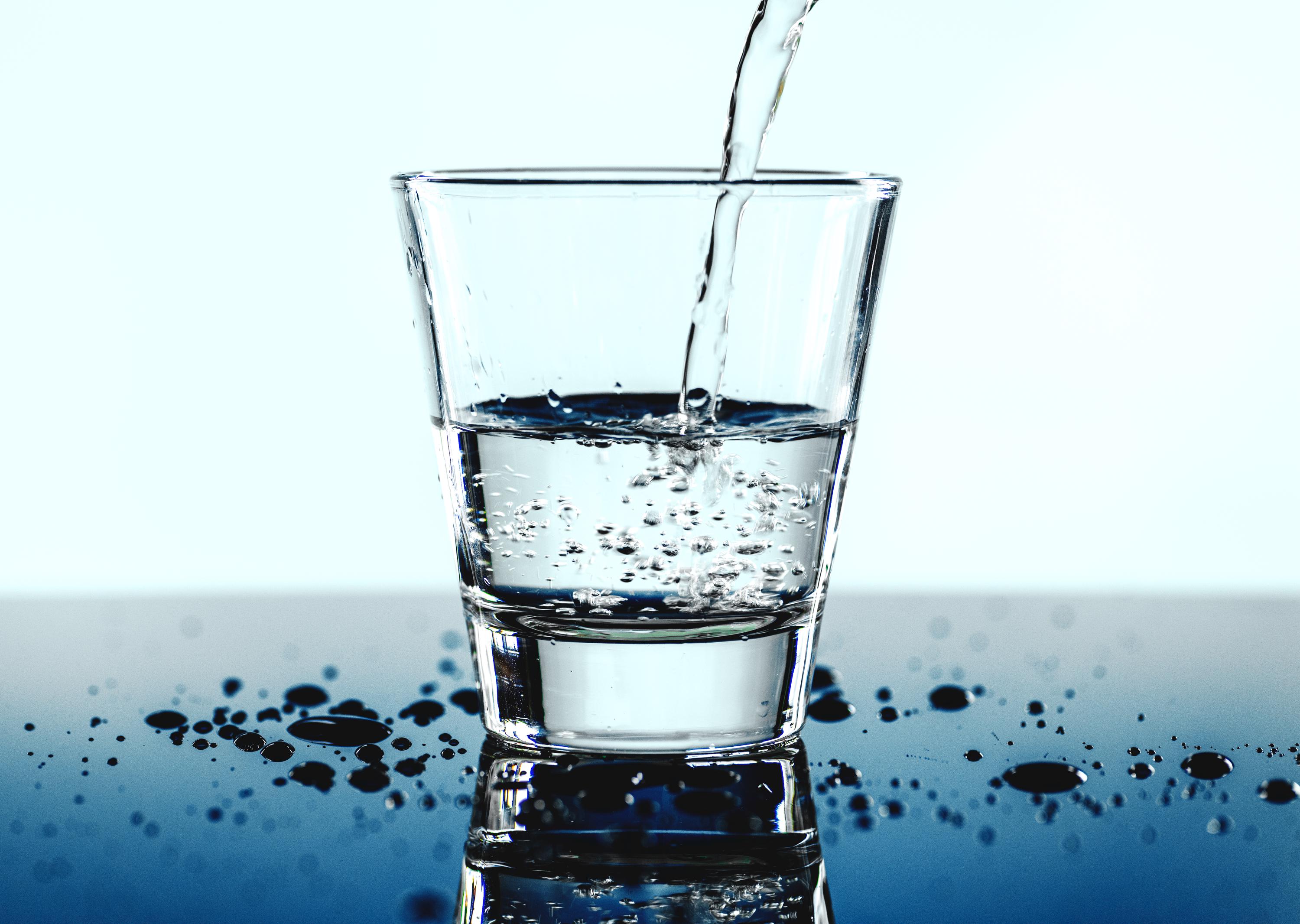
The "Drink More Water" Prescription: What It Actually Means for Aging Kidneys
If you've spent any time in a doctor's office lately, you've probably heard the phrase, "You need to drink more water." It’s repeated so often that it starts to sound like white noise. But from my years working on the clinical floor, I can tell you that this isn't just a generic piece of advice to brush off. It is the absolute foundation of keeping your kidneys functioning, especially as we get older.
As we age, our sense of thirst naturally diminishes. You might not feel thirsty, but your kidneys are still desperate for fluid to do their job: filtering out waste and keeping your body's chemistry in balance. When they don't get that fluid, things can go sideways quickly.
Here are a few common scenarios we see in the clinic every day, and why water is usually the ultimate fix.
The Foley Catheter Panic: Blood and Sediment
For patients who require a Foley catheter, noticing changes in the urine bag can be a huge source of anxiety. It is incredibly common to suddenly see cloudy urine, floating sediment, or even a pinkish tint or small blood clots. Naturally, the first reaction is concern.
- What's actually happening: When you are dehydrated, your urine becomes highly concentrated. All the minerals, salts, and waste products that are normally diluted clump together, creating that cloudy sediment. This concentrated, gritty urine can irritate the bladder lining and the catheter itself, leading to minor bleeding.
- The clinical reality: While we always want to rule out an infection, the frontline treatment for sediment and minor catheter irritation is almost always mechanical irrigation from the inside out. Your body needs a heavy flush of fluids to dilute that urine, clear the tubing, and soothe the bladder lining.
The Rise of Kidney Stones
We are seeing a massive amount of people developing kidney stones, and a huge driving factor is chronic, low-level dehydration.
- The mechanics: Think of your kidneys like a chemistry experiment. Your body is trying to dissolve minerals (like calcium and oxalate). If you have a glass of water and pour in a teaspoon of salt, it dissolves. If you pour in a cup of salt, it crystallizes.
- The solution: When you don't drink enough fluid, those minerals crystallize in your kidneys and form stones. Keeping a high volume of water moving through the system physically prevents those crystals from bonding together.
What Does "More" Actually Mean?
This is the biggest hurdle. A provider will say, "Drink more fluids," and a patient will go from drinking one glass of water a day to two, and think the job is done.
"More" isn't a vague suggestion; it requires a tangible goal. Here is how to define it:
- The Color Check: This is the gold standard. You aren't aiming for completely clear urine, but rather a very pale, transparent yellow (like light lemonade). If it looks like apple juice or dark amber, your kidneys are struggling to process the waste, and you need to drink.
- The Baseline Goal: A general rule of thumb for older adults is aiming for roughly 64 ounces (about 8 cups) of fluid a day.
- Make it Measurable: Don't rely on memory. Fill a pitcher or a specific water bottle every morning with your daily goal. When it's empty, you're done.
- Note: Always consult with your primary care provider about specific fluid goals, especially if you have conditions like Congestive Heart Failure (CHF) or specific kidney diseases that require fluid restrictions.
The Bottom Line
Hydration doesn't require expensive alkaline waters or fancy electrolyte powders. Your kidneys just need the raw material to do the heavy lifting they were designed for. Next time you see sediment, or feel that dull ache, grab a glass of plain tap water. It is the cheapest, most effective medicine available.